IT’S TIME TO LEARN THE MINDSET OF THE TOP 1% OF CANDIDATES WHO ARE ALWAYS CHOSEN
The post-Lunar New Year period is the “Golden Season” for recruitment. At TalentsAll, we witness thousands of interactions between candidates and employers. However, a harsh reality remains: 99% of candidates fail because they attend interviews to “ask for a job,” while the top 1% attend to “solve a business problem.”
The difference doesn’t lie in years of experience, but in Strategic Thinking demonstrated across three critical phases: PRE – DURING – AFTER.
PHASE 1: PRE-INTERVIEW – RESEARCH LIKE A STRATEGIST
Before stepping into the room, the top 1% have already finished 70% of the work. They don’t just prepare answers; they prepare a Consultant’s Perspective.
1. Decode the JD: Identify the “Hidden Pain”
A Job Description (JD) is more than a list of duties; it is a “cry for help” from the business. Ask yourself: Why is this role open right now?
Don’t just look at skills; look at objectives.
If a company is hiring a new Manager after a crisis, they don’t need a “doer”; they need a Problem Solver capable of restructuring. Prepare stories that position you as the specific cure for that pain.
2. Intelligent Stalking: Speak Their Language
Research the interviewer’s background to “hit” their frequency. You cannot use flowery Marketing jargon to convince a CFO who prioritizes hard data. Predict their expectations based on their career trajectory and script your narrative accordingly. Never “preach to the choir”—align with it.
3. The Secret Weapon: Apply “Show, Don’t Tell”
This is the definitive boundary between a standard candidate and an elite expert. Instead of saying, “I am a great manager” (which is Tell—meaningless without proof), switch to Show:
Don’t just talk about potential: Bring a mini Strategy Proposal for their brand or a process improvement plan tailored to the role you are seeking.
Prove it through Case Studies: Instead of saying, “I have a cost-optimization mindset,” present a real-world visualization: “I restructured the operations at Company X, reducing material waste by 20% within 6 months.” The gap vanishes when you show them your strategic brain instead of just selling empty promises.
PHASE 2: DURING INTERVIEW – THE STRATEGIC PARTNER MINDSET
The interview room is where you demonstrate your situational leadership and business empathy.
1. The “Consultant” Persona
Define your role clearly: You are a future colleague, not a “contestant” waiting for a favor. Hiring Managers aren’t looking for the best person on paper; they are looking for the “Best Fit” to solve current hurdles. Help them visualize your presence in the team by engaging as a consultant discussing a live business case.
2. Business Language: The Vocabulary of Growth
Never settle for pure technical talk. Every professional decision must be tied to business value. Speak in terms of Growth, Churn Rate, AOV, CAC… Ultimately, every employer is looking for the answer to one question: “If I hire you, will the company grow?”
3. The STAR-L Framework: Measuring Ownership
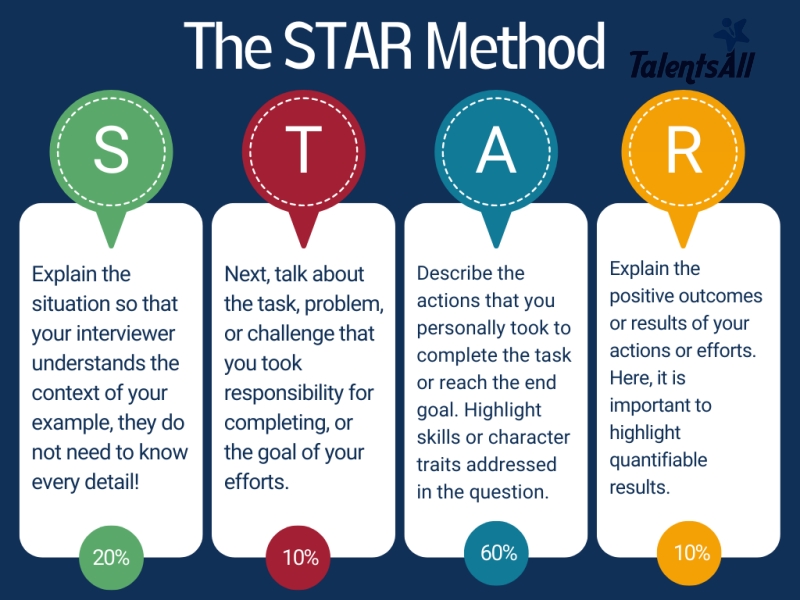
The STAR method is the standard, but the L (Learning) is what elite recruiters crave. The lesson learned after every experience proves you are a “Continuous Learner” with high Ownership—the hallmark of a future leader.
4. “The Reverse Stream”: Turn Interviews into Discussions
Don’t wait until the end to ask questions. Intelligently initiate “diagnostic” questions during the conversation to extract internal data. This information is “gold,” allowing you to realign your strengths to perfectly match the CEO’s hidden expectations.
PHASE 3: AFTER INTERVIEW – CONFIRMING SURPLUS VALUE
Don’t let the interview end in silence. Leave behind a “resonance” of confidence and professionalism.
1. The “Success Metrics” Question
“What does success look like in the first 90 days of this role in your eyes?” This question confirms you aren’t here to “try”—you are here to deliver a commitment.
2. Preventing “Ghosting” with Professional Commitment
Actively finalize a feedback timeline and agree on a follow-up method. This shows you are process-oriented, transparent, and decisive—traits that are highly valued in senior leadership.
SUMMARY: LET YOUR JOURNEY BEGIN WITH AN EXECUTIVE MINDSET
An interview is not a test; it is a negotiation of Surplus Value. The ultimate goal of the top 1% is to make the employer feel: “They will lose a major opportunity if they don’t have you on the team.”
It is easier said than done. But when you apply the Show, Don’t Tell technique and shift from “job seeker” to “solution partner,” every door at top FDI or MNC firms will swing wide open.
Talents for All. All for Talents.
Don’t let your career plateau. Connect with TalentsAll to conquer new heights: trang@talentsall.com.vn