

Essential recruitment skills are what separate average recruiters from those who consistently deliver strong hiring outcomes and earn long-term trust from both candidates and hiring managers. In a competitive talent market, recruitment is no longer about filling roles quickly, but about making sound judgment, building relationships, and managing risk.
This guide outlines the most important recruitment skills every ambitious recruiter should develop, covering both soft skills and hard skills required to perform effectively in modern recruitment roles.
1. Why Recruitment Skills Matter More Than Ever
Recruitment today sits at the intersection of business, people, and data. Recruiters are expected not only to source candidates, but also to advise hiring managers, influence candidate decisions, and protect employer brand reputation.
Without a strong skill foundation, recruiters tend to operate reactively. They rely heavily on job postings, struggle to manage stakeholder expectations, and face high offer rejection or early attrition rates. Strong recruitment skills enable recruiters to move from task execution to strategic contribution.
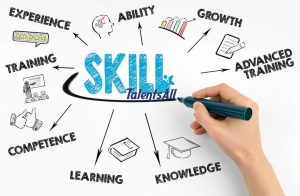
2. Soft Recruitment Skills Every Effective Recruiter Needs
Soft skills shape how recruiters interact with candidates, hiring managers, and internal stakeholders. While some may come naturally, all can be developed through experience and reflection.
2.1 Strong Communication
Recruitment is communication-intensive by nature. Recruiters must communicate clearly across multiple formats, including written job descriptions, phone screenings, interviews, and stakeholder updates.
Strong communicators are able to:
-
Translate hiring needs into clear role narratives
-
Ask focused, relevant questions
-
Manage expectations without overpromising
Clear communication reduces misunderstandings and improves candidate experience throughout the hiring process.
2.2 Confidence in Judgment
Recruiters regularly operate with incomplete information, especially when hiring for new roles or unfamiliar industries. Confidence allows recruiters to make informed recommendations and stand by their assessments.
This does not mean being inflexible. Rather, confident recruiters are comfortable explaining their reasoning, challenging assumptions when necessary, and adjusting based on new insights.
2.3 Curiosity and Learning Mindset
Strong recruiters are naturally curious. They go beyond resumes to understand what motivates candidates, how roles evolve, and why hiring outcomes succeed or fail.
Curiosity enables recruiters to:
-
Ask deeper, more revealing interview questions
-
Learn new industries and functions faster
-
Continuously refine sourcing and assessment approaches
Without curiosity, recruitment quickly becomes repetitive and transactional.
2.4 Active Listening
Active listening is essential for understanding both candidate motivations and hiring manager priorities. Many recruitment issues stem from assumptions rather than misaligned intentions.
Recruiters who listen actively are better equipped to:
-
Identify unspoken concerns
-
Adjust role messaging
-
Navigate negotiations more effectively
Listening well often matters more than speaking often.

2.5 Awareness of Body Language
Recruitment interviews involve more than verbal responses. Body language provides valuable cues about confidence, hesitation, and engagement.
Effective recruiters learn to both read and project positive body language. This helps build rapport with candidates and creates a more open, productive interview environment.
2.6 Reliability and Professional Integrity
Recruiters act as intermediaries between candidates and organizations. Reliability is therefore non-negotiable.
Being reliable means:
-
Following up when promised
-
Sharing accurate information
-
Handling sensitive data with discretion
Trust, once lost, is difficult to rebuild in recruitment.
3. Hard Recruitment Skills That Strengthen Hiring Outcomes
In addition to interpersonal skills, recruiters need technical and analytical capabilities to operate effectively at scale.
3.1 Data-Driven Decision Making
Modern recruitment relies heavily on data. Metrics such as time-to-hire, source effectiveness, candidate conversion rates, and offer acceptance ratios help recruiters identify bottlenecks and improve outcomes.
Recruiters who understand recruitment data can:
-
Diagnose process inefficiencies
-
Advise stakeholders with evidence
-
Improve hiring predictability over time
Data supports better decisions, but only when interpreted correctly.

3.2 Marketing and Sales Skills
Recruitment involves marketing roles and selling opportunities. Recruiters must articulate why a role is attractive, how it supports career growth, and why the organization stands out.
Marketing and sales skills help recruiters:
-
Position roles more compellingly
-
Address candidate objections effectively
-
Adapt messaging based on audience
This skill is particularly important when engaging passive candidates.
3.3 Technology and System Proficiency
Recruitment technology plays a central role in modern hiring. Proficiency in Applicant Tracking Systems, HRIS platforms, and sourcing tools improves efficiency and consistency.
Tech-savvy recruiters are better able to:
-
Manage pipelines at scale
-
Track candidate progress accurately
-
Deliver a smoother candidate experience
Technology does not replace judgment, but it enables better execution.

4. Developing Recruitment Skills Over Time
Recruitment skills are built through deliberate practice, feedback, and reflection. Strong recruiters regularly review hiring outcomes, analyze what worked or failed, and adjust their approach accordingly.
Mentorship, exposure to different industries, and involvement in complex searches accelerate skill development. The most effective recruiters treat every search as a learning opportunity.
5. Conclusion
Recruitment excellence is not defined by one skill, but by the balance between soft skills and hard skills. Communication, judgment, curiosity, and integrity form the foundation, while data literacy, marketing ability, and technology proficiency strengthen execution.
For ambitious recruiters, investing in skill development is the most reliable way to progress from transactional hiring to strategic talent impact.
About TalentsAll
TalentsAll is a Vietnam-based executive search and talent advisory firm working with enterprises, FDI companies, and global organizations.
Beyond recruitment execution, TalentsAll focuses on developing recruitment capability, leadership hiring clarity, and market-driven talent strategies that support long-term organizational growth.
TalentsAll – Connecting global talent with visionary companies to drive mutual success
Contact
Email: trang@talentsall.com.vn
Website: https://talentsall.com.vn
LinkedIn: https://www.linkedin.com/company/talentsall