

Recruitment strategies play a critical role in how organizations attract, evaluate, and secure top talent in increasingly competitive labor markets. A well-designed recruitment strategy not only helps fill current vacancies but also shapes long-term access to talent, employer perception, and workforce quality.
This article explains what a recruitment strategy is, why it matters, and how organizations can design effective recruitment strategies to attract top talent in a structured and sustainable way.
1. Understanding Recruitment Strategy
A recruitment strategy is not simply a hiring plan. It is a structured decision framework that defines how an organization approaches talent over time. It clarifies which roles matter most, how the organization positions itself in the talent market, and how hiring decisions align with business priorities.

At its core, a recruitment strategy connects three elements: business needs, talent availability, and employer positioning. While it guides recruiters on job formats, sourcing channels, and selection criteria, its deeper purpose is to build sustained access to talent.
Without this strategic layer, recruitment becomes reactive. Organizations hire to solve immediate gaps but fail to develop talent pipelines that support future growth.
2. Why a Strong Recruitment Strategy Matters
A strong recruitment strategy matters because talent decisions compound over time. Each hire influences team performance, organizational culture, and the company’s ability to execute its strategy.
2.1 Creating Consistency in Hiring Decisions
Without a clear strategy, hiring decisions vary widely across teams and managers. This leads to inconsistent standards and unpredictable outcomes.
A defined recruitment strategy creates alignment by establishing shared criteria for evaluating candidates. This consistency improves hiring quality and reduces long-term performance risk.
2.2 Strengthening Employer Visibility and Talent Perception
Recruitment strategy also shapes how the organization is perceived in the talent market. Clear messaging, consistent employer branding, and targeted outreach help candidates understand what the company stands for and whether they fit.
Top talent rarely decides based on a single job posting. Perceptions are formed over time, often before candidates are ready to apply. A strong recruitment strategy ensures these impressions are intentional.

2.3 Balancing Speed and Hiring Quality
In competitive markets, speed matters. However, speed without structure increases hiring risk.
A recruitment strategy allows organizations to move faster without sacrificing quality by standardizing processes, clarifying priorities, and improving coordination between recruiters and hiring managers.
3. Building the Foundation of a Recruitment Strategy
Before applying tactics, organizations must establish a solid foundation.
3.1 Reviewing Recruitment Metrics and Setting Clear Goals
Recruitment metrics reveal where processes break down. Indicators such as time-to-hire, source effectiveness, candidate drop-off rates, and quality of hire help identify gaps.
These insights must be paired with clear goals. Whether the objective is improving candidate quality, reducing hiring time, or strengthening referral pipelines, goals give direction and focus to the strategy.
3.2 Investing in Recruitment Tools That Support the Strategy
Recruitment tools should enable the strategy, not define it. Applicant tracking systems, video interview platforms, and analytics tools improve efficiency only when they support clear decision-making processes.
As hybrid and remote work models expand, digital recruitment infrastructure becomes essential for maintaining consistent candidate experiences and evaluation standards.
4. Effective Recruitment Strategies to Attract Top Talent
Once the foundation is in place, organizations can deploy strategies that reinforce one another.
4.1 Optimizing the Career Page as a Strategic Asset
A career page should communicate more than open roles. It should explain company culture, values, and growth opportunities, helping candidates understand how their work connects to the organization’s direction.

4.2 Designing Job Postings for Relevance and Reach
Clear job descriptions help candidates self-select and reduce mismatched applications. While SEO improves visibility, clarity around expectations and success criteria has a greater impact on candidate quality.
4.3 Using Social Media to Build Long-Term Talent Interest
Social media enables engagement with passive candidates. Content that highlights culture, leadership perspectives, and daily work builds familiarity and trust over time.
4.4 Developing Employer Branding Content
Employer branding content works best when it reflects reality. Employee stories, leadership insights, and behind-the-scenes content help candidates assess fit more accurately.
4.5 Hosting Recruitment Events
Recruitment events create two-way interaction. They allow candidates to ask questions, understand career paths, and evaluate cultural alignment more deeply than through static content.
4.6 Leveraging Niche Job Boards
Specialized job boards help organizations reach targeted talent pools more precisely, reducing noise and supporting focused hiring efforts.
4.7 Strengthening Employee Referral Programs
Employee referrals remain one of the most effective recruitment channels. Structured programs encourage participation and help identify candidates who align with company culture.
4.8 Embedding Diversity and Inclusion into Recruitment Strategy
Diversity and inclusion are most effective when integrated into the recruitment strategy. Inclusive language, fair evaluation processes, and visible commitment broaden talent access and strengthen employer credibility.
5. Conclusion
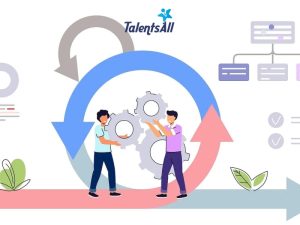
Recruitment strategy is not a collection of tactics. It is a connected system that aligns business goals, employer positioning, and candidate engagement.
Organizations that invest in structured, data-driven recruitment strategies are better positioned to attract top talent, reduce hiring risk, and build teams capable of supporting long-term growth.

About TalentsAll
TalentsAll is a Vietnam-based executive search and talent advisory firm supporting enterprises, FDI companies, and global organizations in senior and leadership hiring.
TalentsAll focuses on recruitment strategies, executive search, and leadership advisory that connect market insight with real operating needs, helping organizations build sustainable talent capabilities rather than short-term hiring solutions.
Contact
Email: trang@talentsall.com.vn
Website: https://talentsall.com.vn
LinkedIn: https://www.linkedin.com/company/talentsall